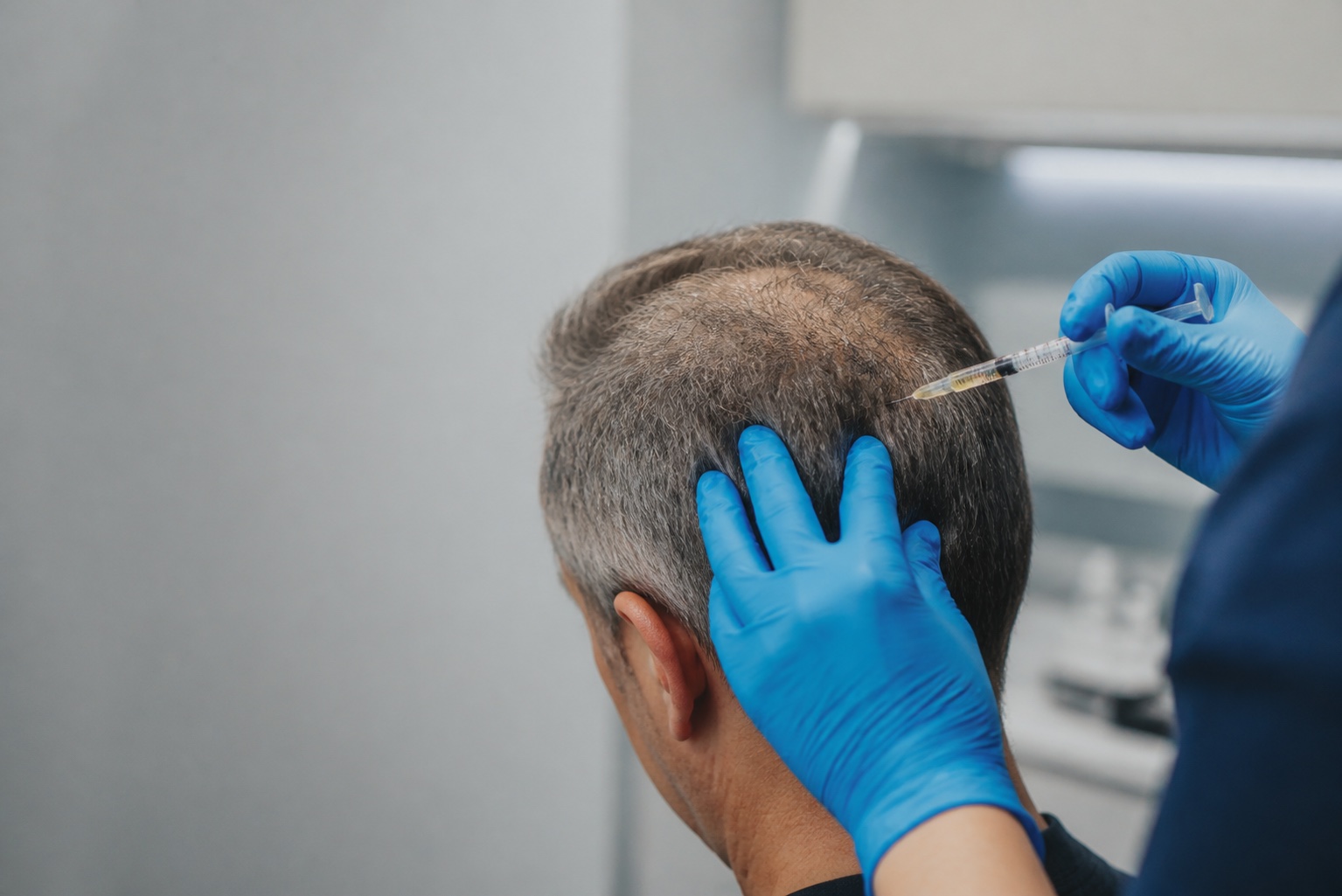
PRP being injected into an area of thinning hair on a male patient’s scalp

PRP hair treatment inGreater Manchester.

PRP treatment uses a concentrated preparation of platelets derived from a small sample of your own blood. This is injected into targeted areas of thinning hair, where the platelets release growth factors that may help support hair follicle activity and improve hair density and quality.

Treatment type
Non-surgical
Blood draw and scalp injections
Primary concern
Thinning hair
Existing follicles are required
Consultation
30 minutes
In person at the Bury clinic
Planning
Doctor-led throughout
Suitability assessed by Dr Jamie
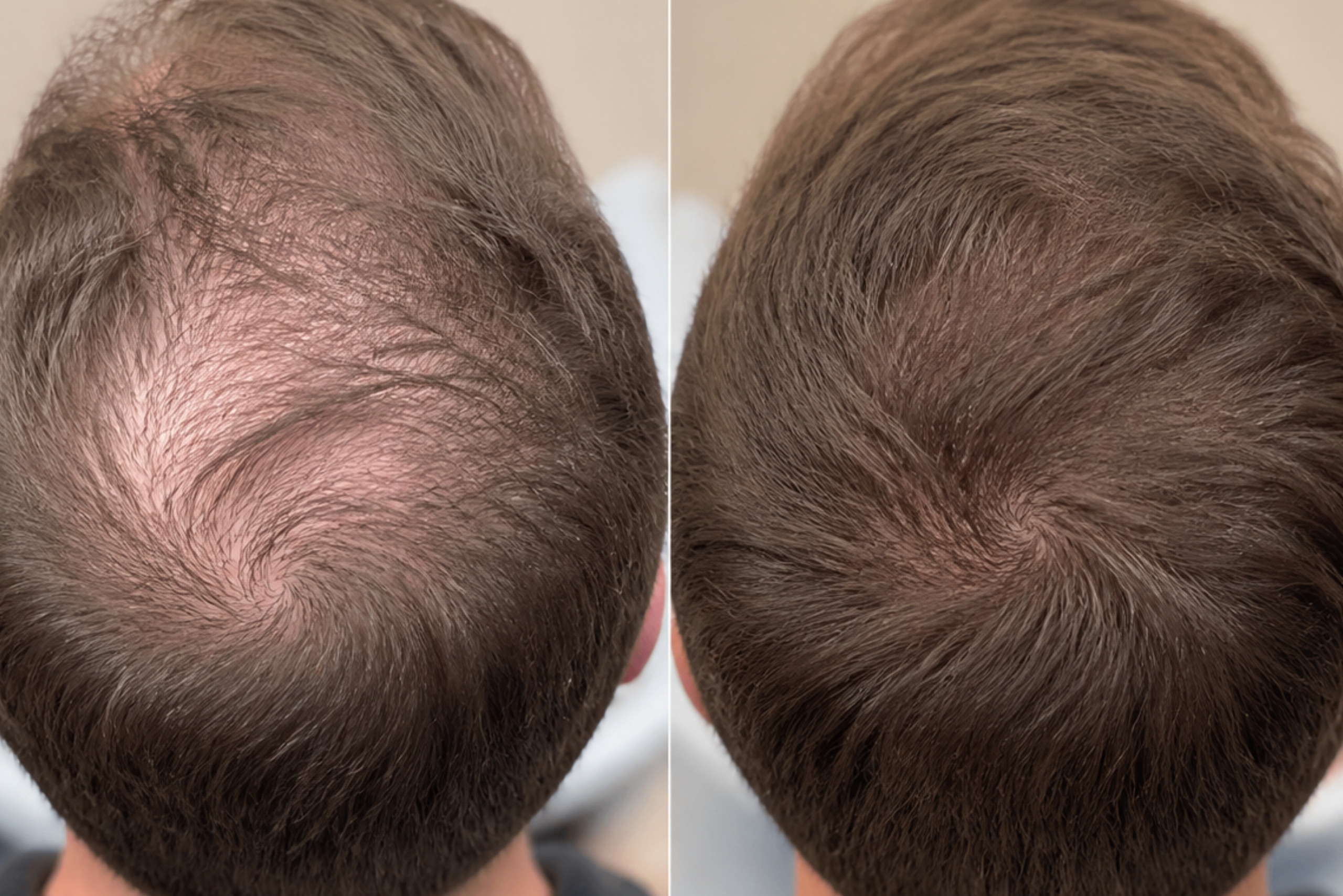
Illustrative comparison showing differing levels of hair density at the crown
Illustrative hair-density comparison

Could PRP suit your hair thinning?

PRP may be considered when pattern hair loss has been identified and there are existing, miniaturising follicles within the area of concern.

PRP is designed to support existing follicles in selected areas of thinning. Dr Jamie first identifies the pattern and cause of your hair loss, then explains whether PRP fits your wider treatment plan.

Book a PRP consultation
  • Your diagnosis

    Review when the loss started, its pattern and likely cause. Consider whether investigation, referral or medical management should come first.

  • Your existing hair

    Assess the density and calibre of hair within the area. PRP is considered for thinning regions where functioning follicles remain.

  • Your medical history

    Discuss your health, medication, scalp condition and previous treatments to identify risks and whether injections are appropriate.

What happens at a PRP consultation?

Your 30-minute consultation takes place at the Bury clinic. Dr Jamie assesses your hair loss and discusses whether PRP, another treatment or further investigation may be more appropriate.

Book a PRP consultation
  1. Step 1Discuss your concerns

    Explain what has changed, how it affects you and what you would like help with.

  2. Step 2Review your history

    Review your health, medication, family history and any treatments tried before.

  3. Step 3Assess your hair

    Assess the loss pattern, scalp health and whether suitable follicles remain.

  4. Step 4Compare your options

    Compare PRP, medical treatment and hair transplantation within one long-term hair-restoration plan.

  5. Step 5Receive a clear plan

    Leave with a personalised recommendation, treatment schedule, next steps and confirmed costs.

Duration
30 minutes
Location
In person at the Bury clinic
Fee
£50, deducted from treatment
Outcome
Personalised recommendation

What happens during PRP hair treatment?

A small blood sample is processed in a centrifuge to separate the platelet-rich plasma. The prepared PRP is then injected into selected areas of the scalp according to your agreed plan.

Book a PRP consultation
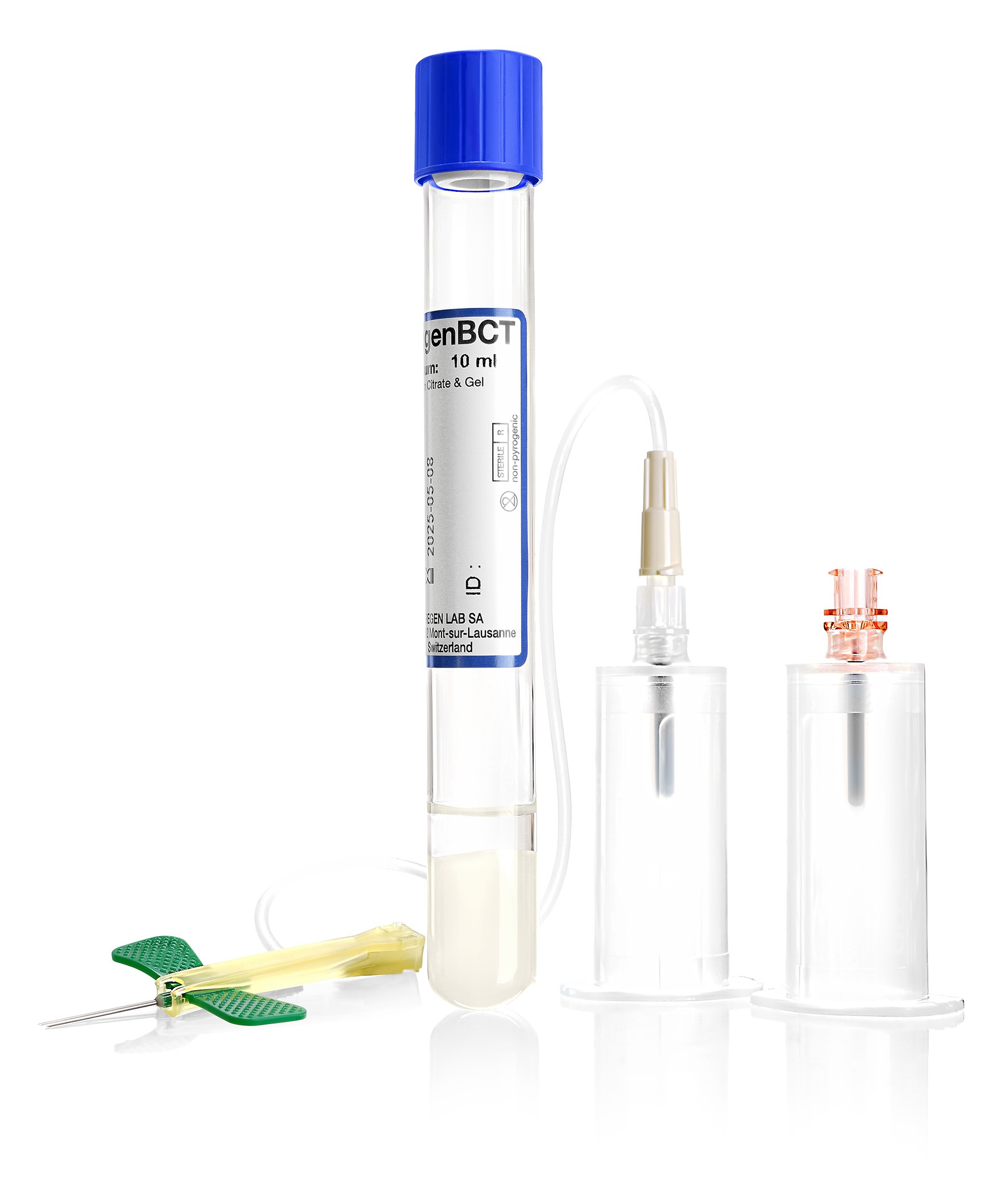
Regen BCT blood collection tube and collection accessories
  1. Step 1

    Confirm the plan

    Dr Jamie reviews the agreed areas, checks for any health changes and confirms that it remains appropriate to proceed.

  2. Step 2

    Take a blood sample

    A small sample of blood is taken from your arm using our Regen PRP kits, in a similar way to a routine blood test.

  3. Step 3

    Prepare the PRP

    The sample is processed in a centrifuge. The specialised separator gel separates the plasma and platelets from other blood components to prepare the PRP.

  4. Step 4

    Prepare the scalp

    The treatment area is cleaned and local anaesthetic injections are used to reduce discomfort during scalp treatment.

  5. Step 5

    Inject and plan care

    PRP is then injected into the agreed areas. Before you leave, Dr Jamie will explain aftercare and the timing of your next appointment.

Where PRP fits within hair restoration

PRP and hair transplantation address different needs. PRP is intended to support existing hair, while transplantation moves suitable follicles into an area of loss. Dr Jamie explains how each option could fit your long-term plan.

PRP

Support existing hair

PRP uses a preparation from your own blood and is injected into selected areas where functioning follicles remain.

Treatment
A non-surgical course of scalp injections.
Suitable area
Thinning regions where existing follicles remain.
Review
Progress is assessed over time against baseline photographs.
Hair transplant

Move donor follicles

FUE or FUT moves suitable follicles from a donor area into carefully planned recipient sites.

Treatment
A surgical procedure using a finite donor supply.
Suitable area
Selected areas of established thinning or loss.
Planning
Future loss in non-transplanted hair is considered.
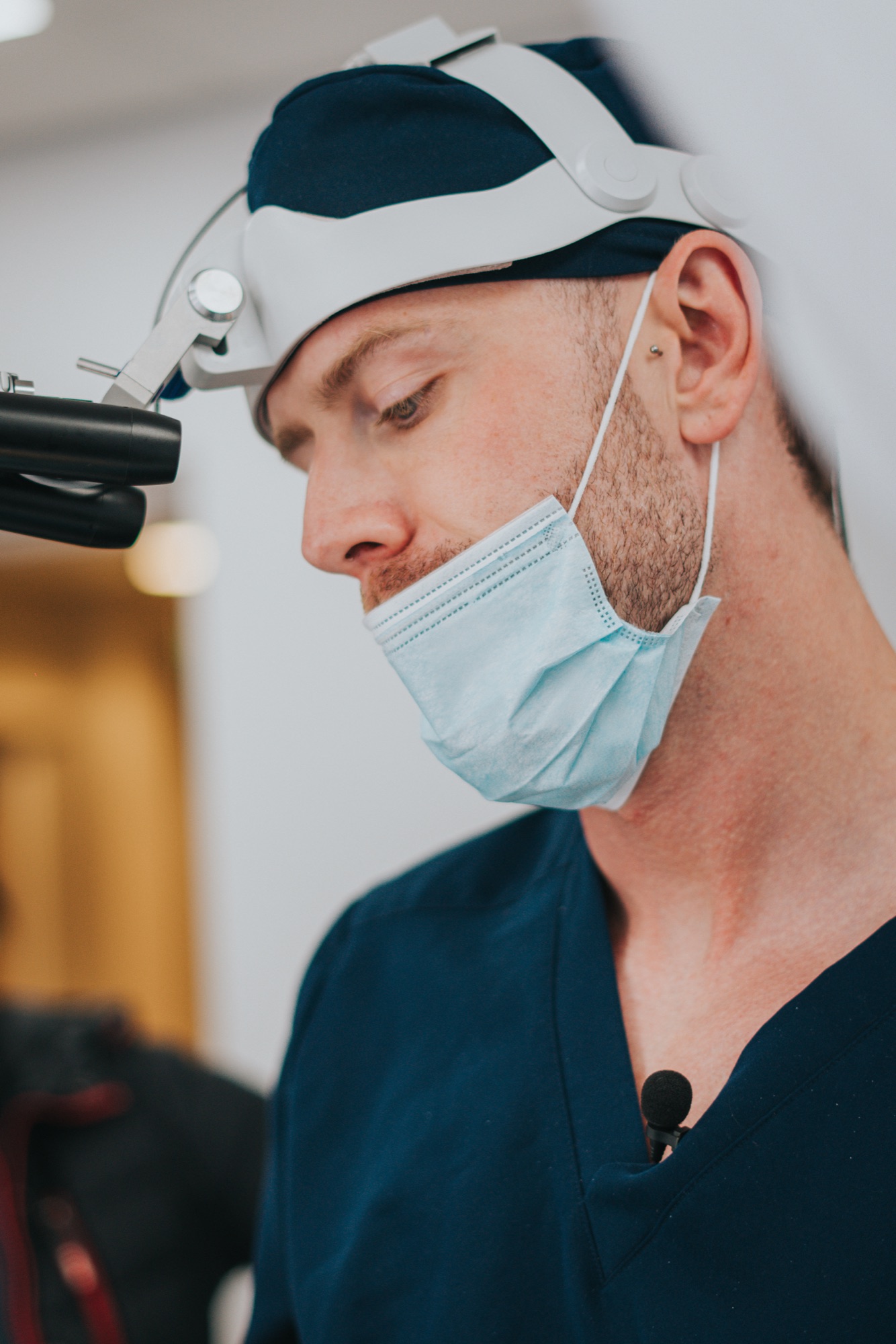
Dr Jamie Harrison performing a hair treatment procedure in the clinic

Your PRP treatment with Dr Jamie Harrison

Dr Jamie personally assesses the pattern and likely cause of your hair loss before deciding whether PRP is a proportionate option.

He explains the limits of the available evidence, agrees the areas to treat and reviews whether the course is producing a worthwhile response.

His approach is to recommend PRP only when existing follicles remain and when treatment fits sensibly within your longer-term hair plan.

Medical degreeMBChBGMC registration7559872Professional membershipBCAM Associate

PRP treatment and progress timeline

Jamie’s current course uses three sessions spaced four weeks apart. Improvement is not immediate or guaranteed, so progress is assessed over time rather than after a single appointment.

Initial course
Three treatment sessions
Session interval
Four weeks apart
Treatment time
Around 30–45 minutes
Possible maintenance
Every 6 months

Blood draw and injections

Your blood sample is processed and the prepared PRP is injected into the agreed areas. You leave with individual aftercare guidance.

PRP hair treatment costs

A single PRP treatment costs £300. The initial course costs £900 for three treatments four weeks apart, with maintenance treatment at £300 every six months.

Single PRP treatment
£300
Current booking price
Initial course
£900
Three treatments spaced four weeks apart
Consultation fee
£50
Deducted when treatment proceeds
Maintenance
£300
One treatment every six months